Weight loss is not about extreme dieting or skipping meals—it’s about building consistent, sustainable habits that improve metabolism, reduce cravings, and support long-term health. With so much misinformation online, it’s easy to get stuck in unhealthy cycles.
This guide breaks down 10 practical weight loss tips that are realistic, safe, and effective for everyday life.
1. Focus on a Calorie Deficit (But Don’t Starve Yourself)
At the core of weight loss is a simple principle: you must burn more calories than you consume.
However, extreme restriction slows metabolism and leads to binge eating.
What to do instead:
- Reduce daily intake by 300–500 calories
- Eat nutrient-dense foods instead of junk food
- Track portions (not obsession-level tracking)
Why it works:
A moderate calorie deficit allows steady fat loss without harming energy levels or hormones.
2. Prioritize Protein in Every Meal
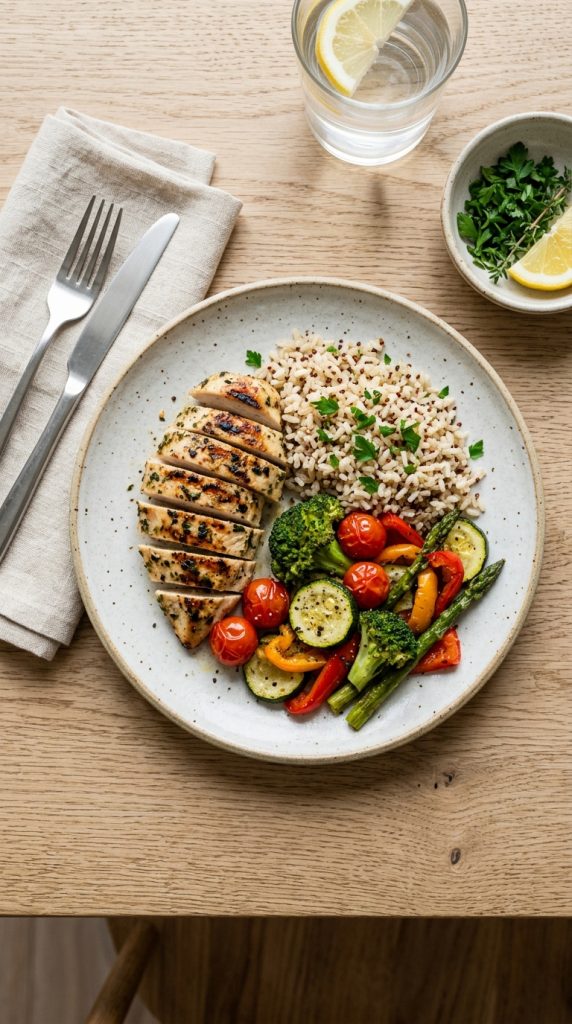
Protein is one of the most powerful nutrients for weight loss.
Benefits of protein:
- Reduces hunger and cravings
- Increases metabolism (thermic effect)
- Preserves muscle while losing fat
Best sources:
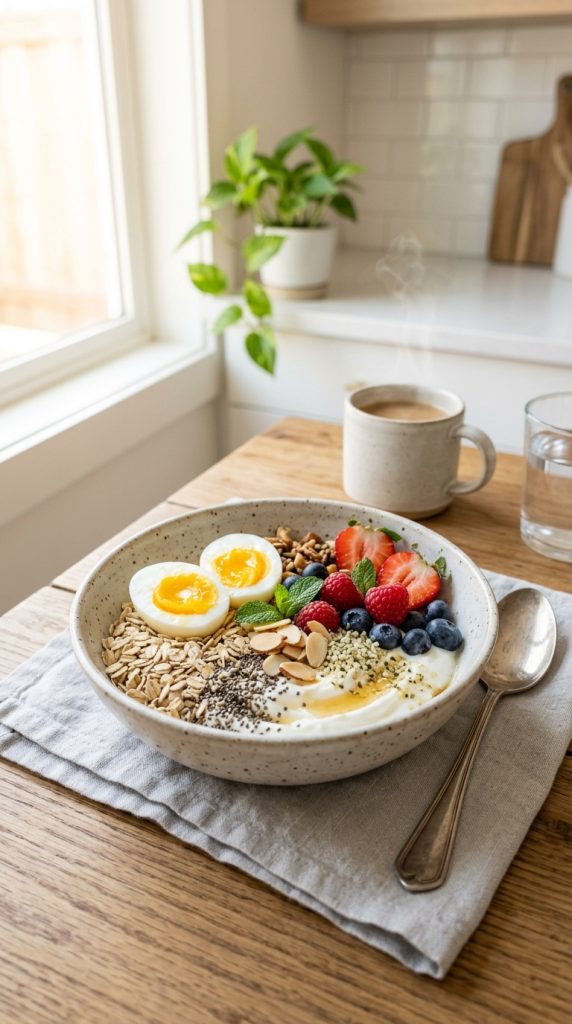
- Eggs
- Chicken breast
- Fish
- Lentils and chickpeas
- Greek yogurt
Simple rule:
Try to include a protein source in every meal.
3. Drink More Water (Especially Before Meals)
Many people confuse thirst with hunger, leading to unnecessary eating.
How water helps weight loss:
- Reduces appetite naturally
- Improves digestion
- Boosts metabolism slightly
- Helps prevent overeating
Best habit:
Drink 1–2 glasses of water 20–30 minutes before meals.

4. Reduce Sugary Foods and Beverages
Sugar is one of the biggest contributors to weight gain due to its high calorie density and low satiety.
Common sources:
- Soft drinks
- Sweet tea and coffee
- Pastries and desserts
- Packaged snacks
Healthier swaps:
- Fruit instead of sweets
- Herbal tea instead of soda
- Dark chocolate in moderation
Why it matters:
Cutting sugar reduces insulin spikes and cravings significantly.
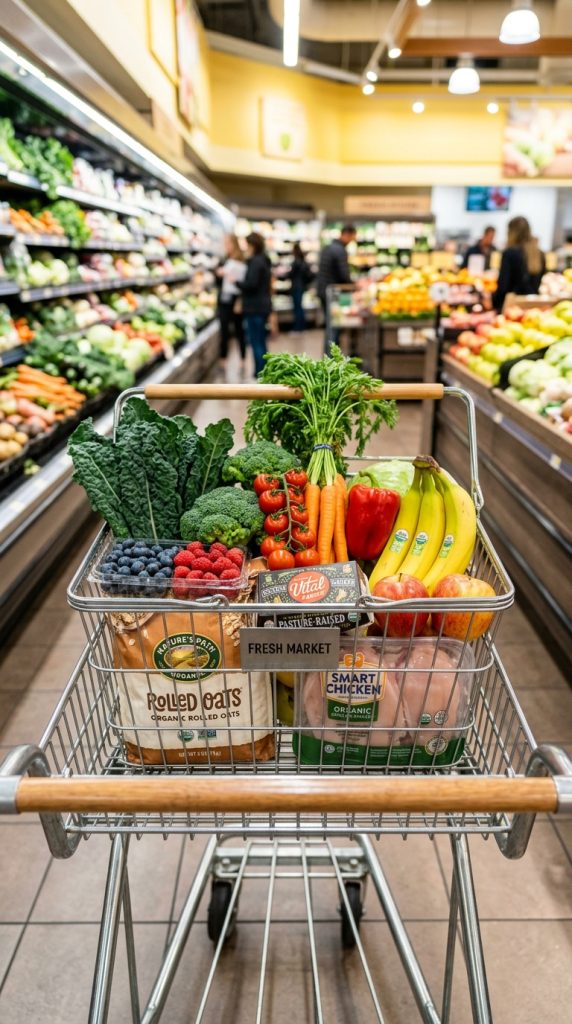
5. Eat More Fiber-Rich Foods
Fiber keeps you full longer and improves digestion.
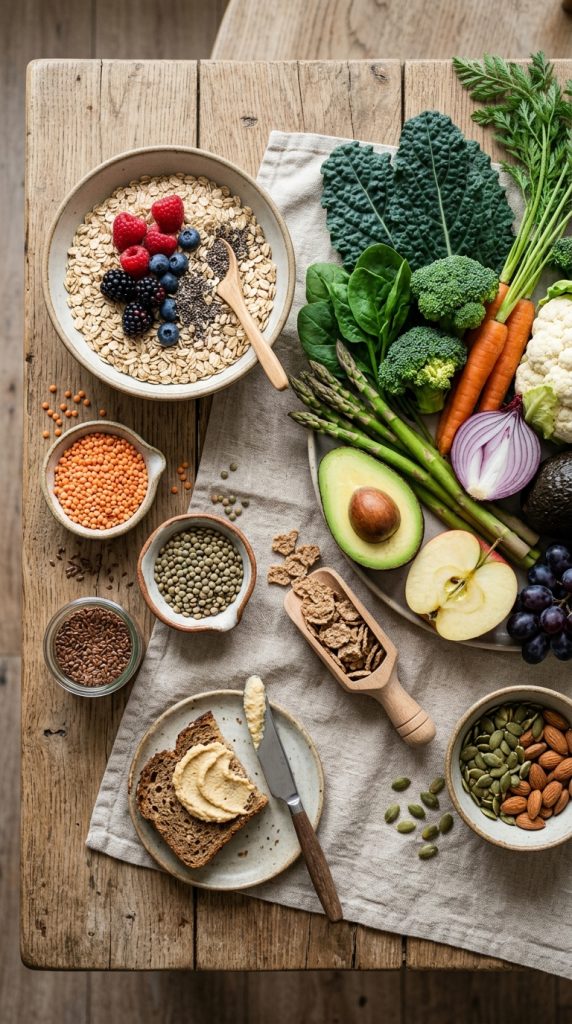
High-fiber foods:
- Vegetables (broccoli, spinach, carrots)
- Fruits (apples, berries, oranges)
- Whole grains (oats, brown rice)
- Legumes (beans, lentils)
Benefits:
- Slows digestion
- Controls appetite
- Supports gut health
Goal:
Aim for 25–35 grams of fiber daily.
6. Strength Training to Build Muscle
Many people focus only on cardio, but strength training is essential for fat loss.
Why it works:
- Builds lean muscle
- Increases resting metabolism
- Shapes the body
- Improves insulin sensitivity
Exercises to include:
- Squats
- Push-ups
- Dumbbell workouts
- Resistance band training
Tip:
Even 3 sessions per week can make a big difference.

7. Get Enough Sleep (Very Underrated)
Sleep directly affects hunger hormones and fat storage.
What happens when you don’t sleep:
- Increased cravings (especially sugar)
- Slower metabolism
- Higher stress hormones
- Poor decision-making about food
Ideal target:
- 7–9 hours of quality sleep
Simple improvements:
- Avoid screens before bed
- Keep a consistent sleep schedule
- Reduce caffeine in the evening

8. Practice Mindful Eating
Many people overeat simply because they eat too fast or distracted.
Mindful eating habits:
- Eat slowly and chew properly
- Avoid eating while watching TV or scrolling
- Stop when 80% full
- Pay attention to hunger signals
Why it works:
Your brain takes ~20 minutes to register fullness.

9. Increase Daily Movement (Not Just Gym Time)
Weight loss is not only about workouts—it’s also about NEAT (Non-Exercise Activity Thermogenesis).
Simple ways to increase movement:
- Walk after meals
- Take stairs instead of elevators
- Stand more during the day
- Do light stretching or chores
Why it matters:
Even small movements burn calories throughout the day.

10. Be Consistent, Not Perfect
The biggest reason people fail at weight loss is inconsistency—not lack of effort.
Reality check:
- One bad meal doesn’t ruin progress
- Extreme dieting is not sustainable
- Slow progress is still progress
Winning mindset:
- Focus on 80% healthy choices
- Allow flexibility without guilt
- Build habits that last months, not days
Final Thoughts
Effective weight loss is not about shortcuts—it’s about building a lifestyle that supports your body naturally. When you combine healthy eating, regular movement, proper sleep, and consistency, fat loss becomes a natural result rather than a struggle.
You don’t need perfection. You need progress that you can maintain.





Leave a Reply