
A well-organized garden is easier to maintain, more enjoyable to use, and much more inviting. For beginners, garden organization does not need to involve expensive equipment or complicated landscaping projects. A few simple systems can keep tools, plants, pots, and supplies in their proper places.
These garden organization ideas for beginners focus on practical solutions that can work in small backyards, patios, balconies, and other outdoor spaces. Whether you are starting your first vegetable garden or simply want a tidier outdoor area, these ideas can help you create a garden that feels neat and manageable.
1. Create a Dedicated Tool Station
Gardening tools are easier to manage when they have a designated home. Set aside one small area for items such as hand trowels, pruning shears, gloves, and watering tools.
A freestanding rack, outdoor cabinet, or simple storage container can keep everything together. Keeping frequently used tools in one location also saves time when you are working with plants.
2. Group Plants by Type
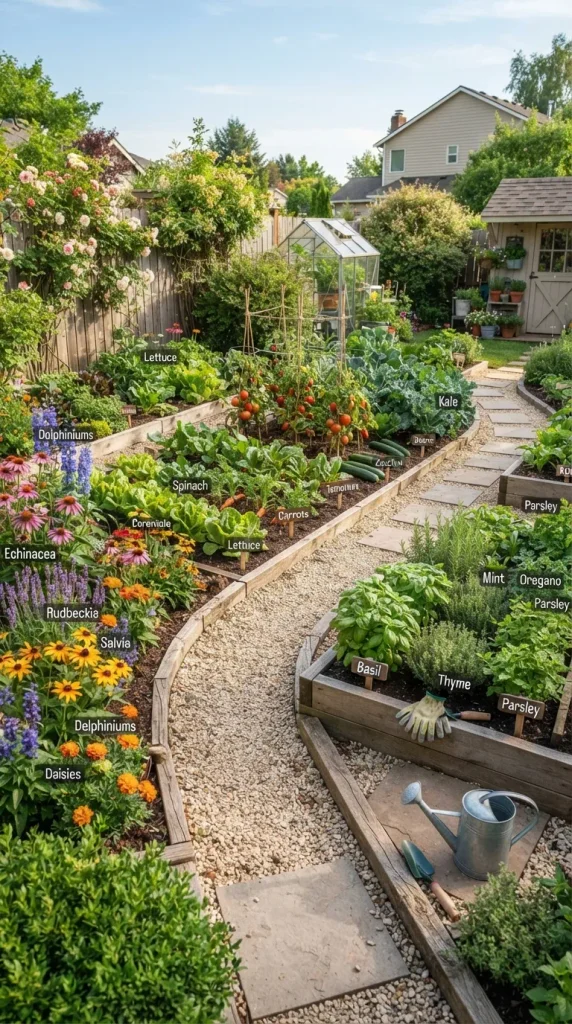
Organizing plants into groups makes garden care much easier for beginners. Place herbs together, keep flowering plants in another section, and create a dedicated area for vegetables or decorative foliage.
Grouping plants according to their needs can also simplify watering and maintenance. Plants with similar sunlight and moisture requirements can often be cared for together.
3. Use Simple Garden Labels
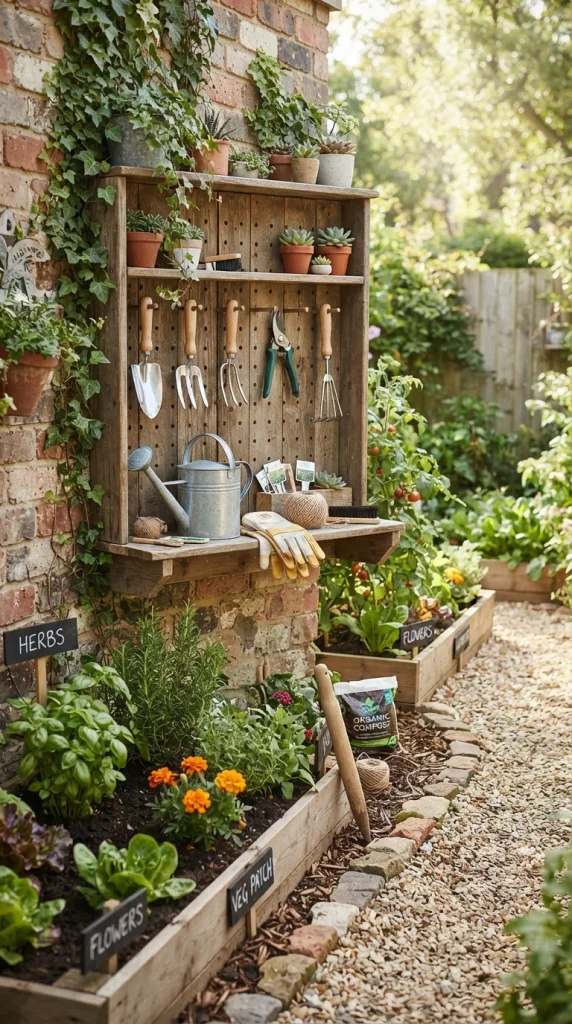
Garden labels are an easy way to stay organized, especially when growing several varieties of plants. Write the plant name and, if useful, the planting date on weather-resistant labels.
You can use wooden markers, reusable plastic labels, or other simple materials. Clear labels are particularly helpful when seedlings look similar during their early growth stages.
4. Arrange Pots by Size
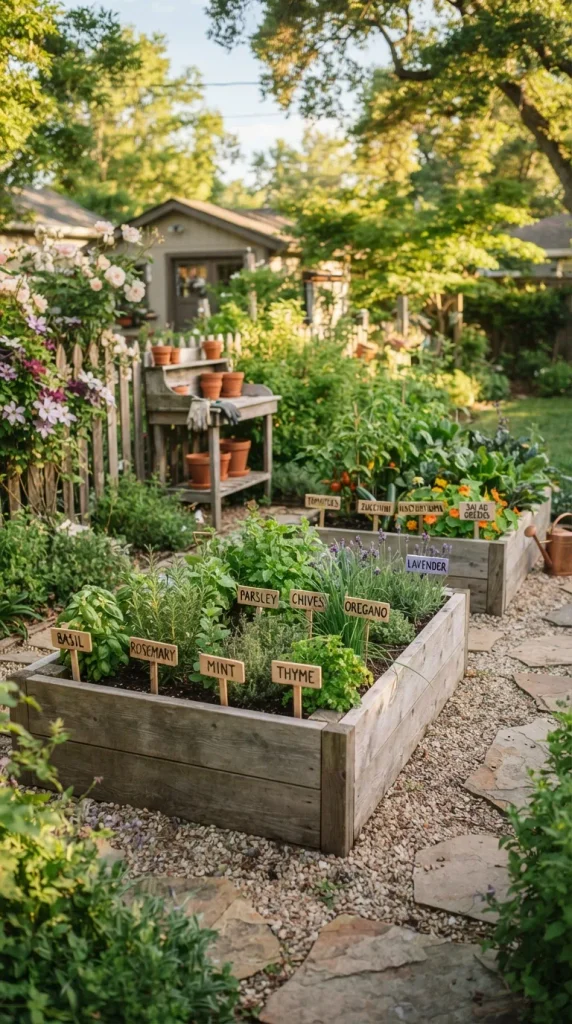
If you use container gardening, organize pots from largest to smallest. Larger planters can stay on the ground, while smaller containers can be grouped on sturdy shelves or plant stands.
This arrangement creates a cleaner appearance and makes it easier to find the right pot when repotting a plant. Leave enough space between containers for comfortable watering and movement.

5. Set Up a Watering Area
Keep watering supplies together in one convenient location. A small corner can hold your watering can, hose, spray bottle, and other irrigation accessories.
A hose reel or compact storage container can prevent hoses from becoming tangled across pathways. For balconies and small patios, a simple watering can may be all you need.

6. Organize Seeds and Gardening Supplies
Seeds, plant ties, gloves, labels, and small gardening accessories can quickly become difficult to find. Use labeled containers or small boxes to keep these supplies organized.
Separate seeds by plant type or growing season. Keeping everything in one dry, accessible location can make planting projects much easier for beginners.

7. Make Use of Vertical Space
When garden space is limited, vertical organization can provide valuable storage and planting opportunities. Freestanding shelves, tiered plant stands, and vertical planters can hold multiple items without taking up much floor space.
Use vertical solutions for lightweight pots, herbs, small tools, or decorative plants. Make sure shelves and stands are stable and suitable for outdoor conditions.

8. Create a Composting Corner
A dedicated composting area can help keep organic garden waste under control. Choose a suitable compost bin and place it in a convenient location with appropriate airflow and drainage.
Collecting suitable plant material in one place makes garden cleanup easier and can provide useful compost for future gardening projects.

9. Keep a Seasonal Garden Checklist
Garden tasks change throughout the year, so a simple checklist can help beginners stay on track. Divide tasks into seasonal categories such as spring planting, summer watering, fall cleanup, and winter preparation.
You can keep the checklist in a notebook, phone app, or weather-protected outdoor container. Tracking regular tasks can make gardening feel much less overwhelming.

10. Create a Small Garden Work Zone
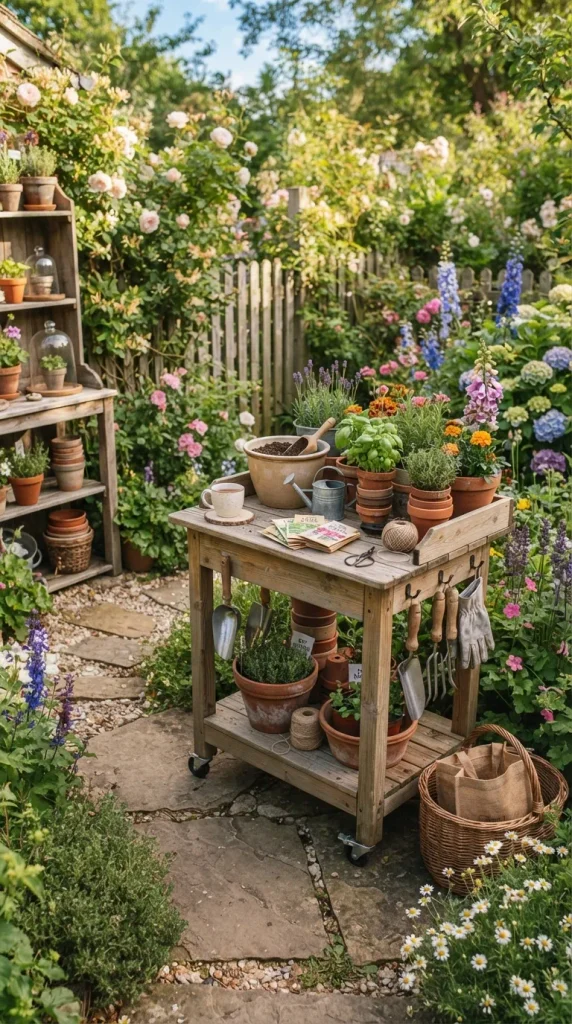
A dedicated work zone can bring all your organization efforts together. Set up a small table, bench, or portable cart where you can repot plants, prepare seedlings, clean tools, or arrange containers.
Keep your most frequently used supplies nearby and store less-used items elsewhere. Even a tiny work zone can make everyday gardening more efficient.
Tips for Maintaining an Organized Garden
Organization works best when it becomes part of your regular routine. Spend a few minutes after gardening returning tools to their designated places and removing unnecessary clutter.
Avoid buying storage products before understanding what you actually need. Start with simple solutions and expand your system as your garden grows. Choose durable outdoor materials and keep walkways clear for safety.
It is also helpful to review your garden organization at the beginning of each season. Remove broken equipment, relocate plants that are overcrowded, and reorganize supplies according to what you use most often.
Final Thoughts
These garden organization ideas for beginners show that creating a tidy outdoor space can be simple and affordable. From dedicated tool stations and labeled plants to vertical storage and seasonal checklists, small changes can make gardening much easier.
The best organization system is one that fits your garden and daily routine. Start with one area, keep the process simple, and gradually build a system that helps your garden stay beautiful, functional, and enjoyable throughout the year.



Leave a Reply