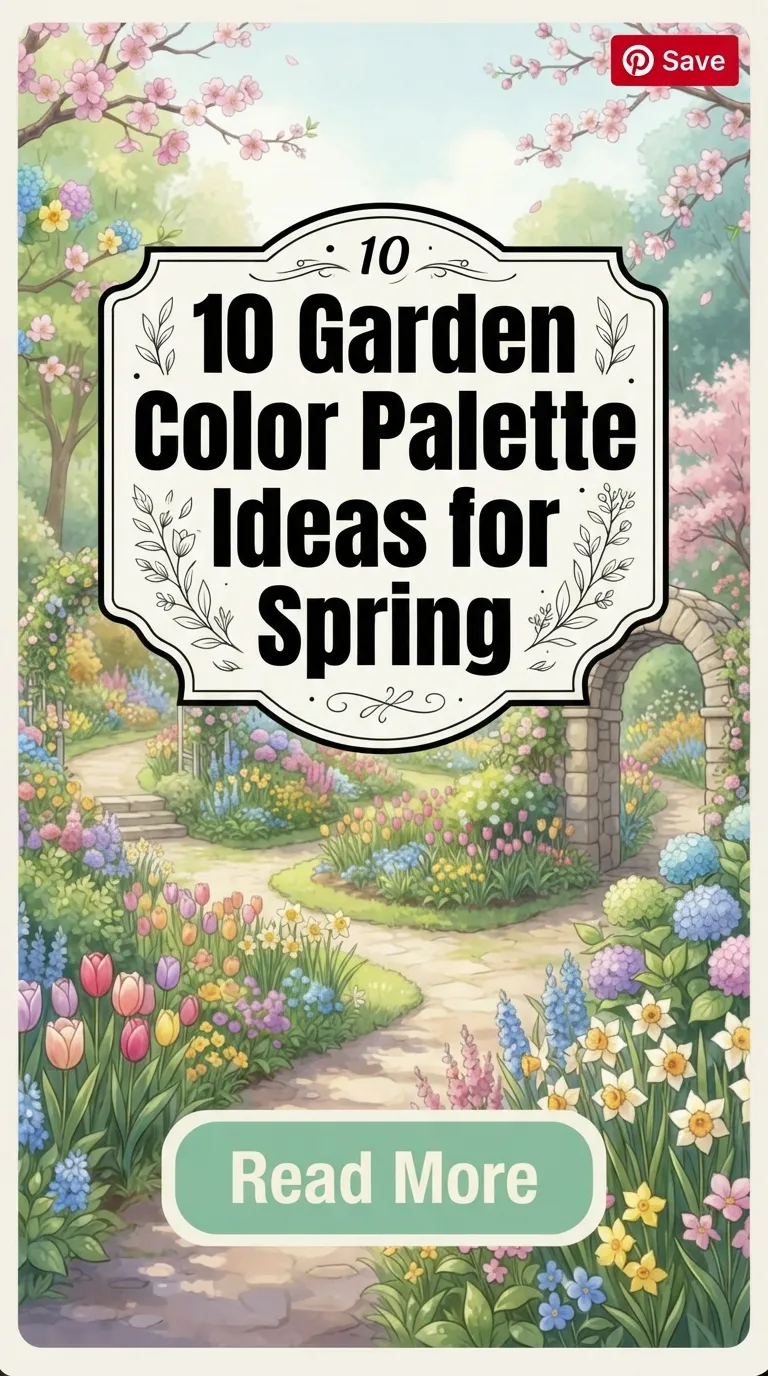

Spring is the perfect season to refresh your outdoor space with fresh colors, blooming flowers, and vibrant greenery. A thoughtfully planned garden color palette can make even a simple backyard, patio, or balcony feel more inviting. Instead of choosing plants randomly, combining complementary shades can create a garden that looks balanced and intentional throughout the season.
From soft pastels to cheerful yellow and green combinations, there are countless ways to bring spring color outdoors. These garden color palette ideas for spring can help you create a beautiful space that reflects your personal style while keeping the overall design cohesive.
1. Soft Pink, White, and Green
A soft pink, white, and green palette creates a delicate spring garden with a timeless appearance. Pair blush-pink flowers with white blooms and plenty of green foliage for a calm, elegant look.
Tulips, roses, alyssum, and flowering shrubs can contribute different textures and heights. Add neutral planters or natural stone to keep the palette feeling fresh rather than overly colorful.
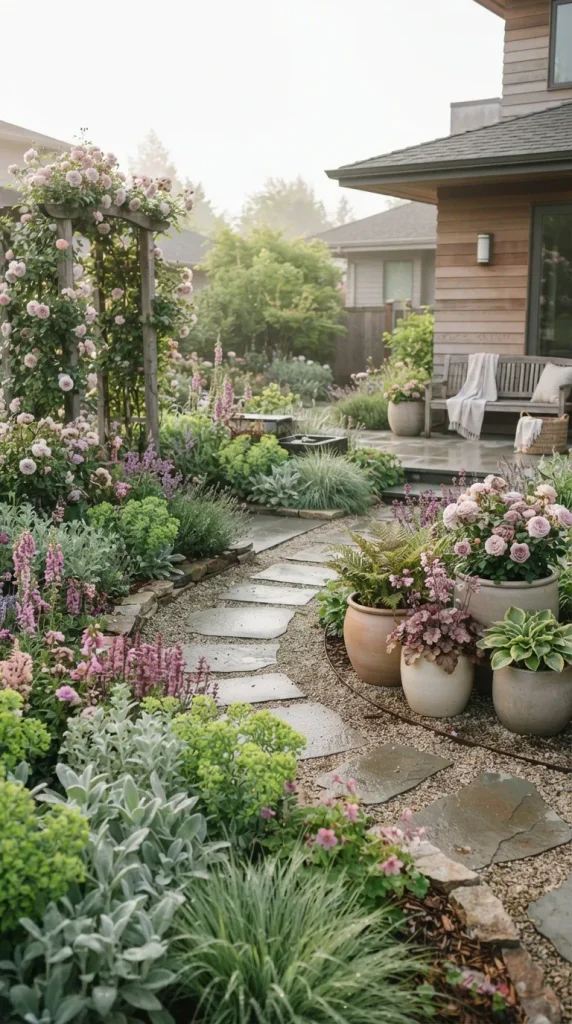
2. Lavender, Purple, and Silver
For a peaceful and slightly sophisticated garden, combine lavender and purple flowers with silvery foliage. The cool tones work especially well in cottage-inspired or Mediterranean-style spaces.
Lavender, salvia, catmint, and dusty miller can create layers of color and texture. Use stone pathways or simple wooden features to complement the cool palette.

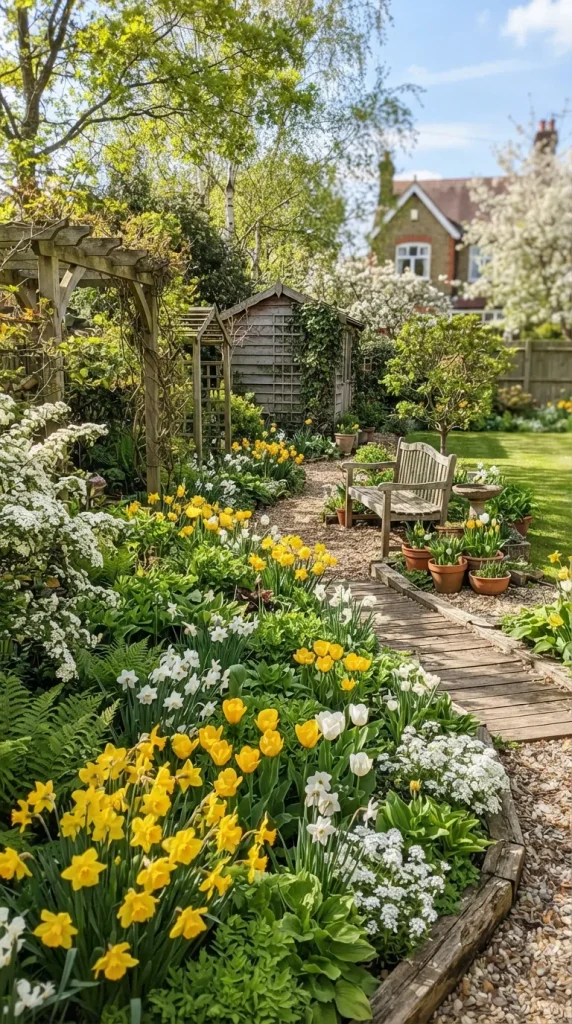
3. Yellow, White, and Fresh Green
Yellow instantly brings cheerful spring energy to an outdoor space. Combining yellow flowers with white blooms and fresh green foliage keeps the look bright without becoming overwhelming.
Daffodils, yellow tulips, white flowers, and leafy plants can create a welcoming display around pathways or garden beds. This palette works beautifully in both traditional and modern gardens.
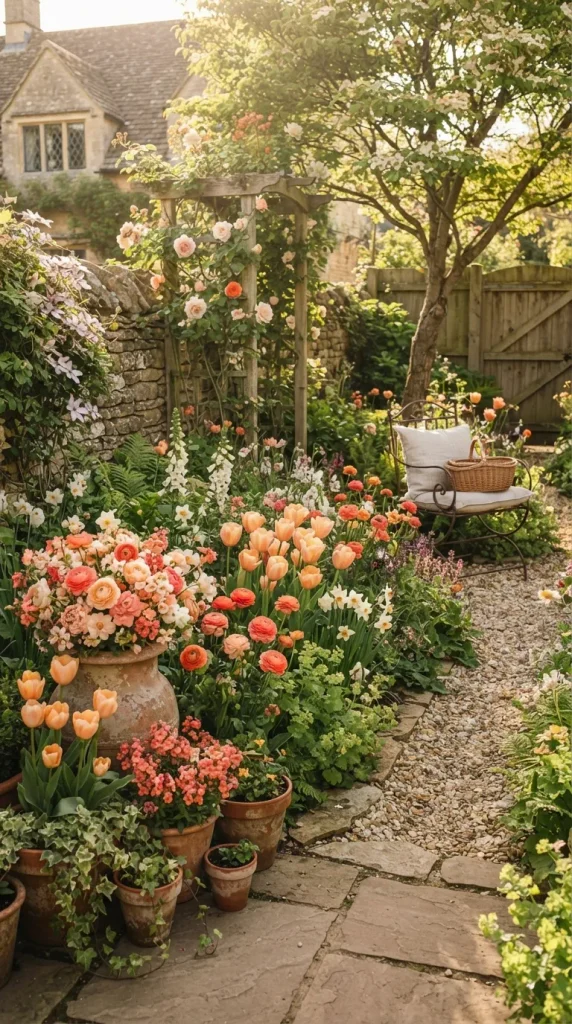
4. Peach, Coral, and Cream
Warm spring colors such as peach and coral can create a welcoming and romantic garden atmosphere. Balance these stronger shades with creamy white flowers and neutral materials.
Use peach-toned tulips, coral flowers, and cream-colored blooms around seating areas or entryways. Terracotta pots can enhance the warm, natural character of this combination.

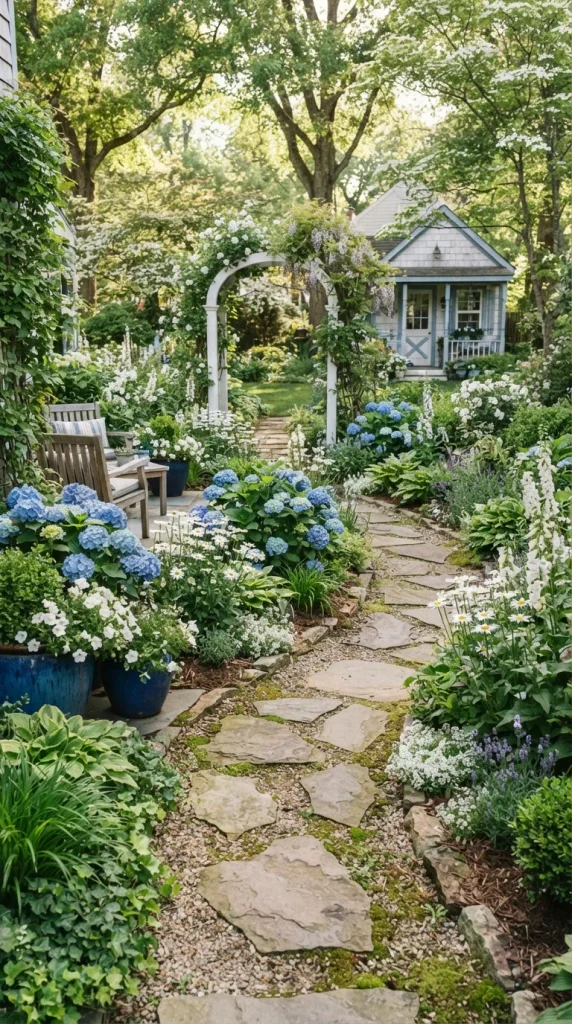
5. Blue, White, and Green
Blue and white create a refreshing color scheme that feels clean and peaceful. Add plenty of green foliage to soften the contrast and connect the garden to its natural surroundings.
Blue hydrangeas, white flowers, and leafy plants can create an attractive spring display. Decorative blue containers or garden accessories can reinforce the palette without requiring additional flowers.
6. Pastel Rainbow Garden
If you love a playful spring look, consider using several pastel shades together. Soft pink, lavender, pale yellow, baby blue, and peach can create a cheerful yet gentle rainbow effect.
The key is to repeat each color throughout the garden instead of placing all similar flowers in one area. This creates a more balanced and intentional appearance.
7. White and Green Minimalist Palette
A white-and-green palette is ideal for gardeners who prefer a clean and minimalist outdoor space. White flowers stand out beautifully against different shades of green foliage.
Choose plants with contrasting leaf shapes and textures to add visual interest. White planters, light stone, or simple wooden accents can reinforce the understated design.

8. Red, Pink, and Green Cottage Palette
For a charming cottage garden, combine different shades of pink and red with abundant greenery. This palette creates a romantic and lively appearance while maintaining a traditional garden feel.
Use flowering plants at different heights to create layers. A wooden fence, vintage-style containers, or a simple garden bench can complete the cottage-inspired look.

9. Orange, Yellow, and Purple
Orange and yellow bring warmth and energy, while purple adds contrast. Together, these colors create a lively spring garden that immediately catches attention.
Use purple flowers as visual anchors among yellow and orange blooms. Keep the surrounding foliage green and allow some neutral space so the brighter colors remain the focus.

10. Blush, Mauve, and Sage Green
Blush, mauve, and sage green offer a modern and sophisticated spring palette. The muted tones create a relaxed atmosphere that works particularly well in contemporary gardens.
Choose flowers in dusty pink or mauve shades and combine them with plants featuring soft green or silvery foliage. Neutral stone, wood, and ceramic planters can help complete the refined look.

How to Choose a Spring Garden Color Palette
When planning your garden colors, consider the existing features of your outdoor space, including fences, walls, furniture, pathways, and containers. Choose two or three main colors and repeat them throughout the garden for a cohesive appearance.
Think about bloom times as well. Selecting plants that flower at different points during spring can help maintain color for longer. Foliage is equally important because green leaves provide the background that connects different flower colors.
You don’t need a large garden to experiment with color. Containers, window boxes, hanging baskets, and small flower beds can all be used to introduce a carefully selected palette.
Final Thoughts
A beautiful spring garden doesn’t require dozens of different colors. The most successful designs often rely on a simple combination of complementary shades, repeated thoughtfully throughout the space.
Whether you prefer soft pastels, vibrant spring colors, or a minimalist white-and-green look, these garden color palette ideas for spring offer plenty of inspiration. Choose a combination that fits your style, repeat the colors naturally, and let seasonal flowers and foliage bring your outdoor space to life.





Leave a Reply